


Our program is designed to cultivate confident, curious learners who engage thoughtfully with content and think critically about the world around them. Instruction emphasizes inquiry, reflection, and meaningful discussion, encouraging students to ask thoughtful questions, analyze ideas deeply, and develop well-reasoned conclusions. Students are empowered to apply their learning, communicate their ideas clearly, and approach new concepts with both confidence and a strong sense of intellectual curiosity.
Faith and character development remain at the heart of the program, grounding students in their relationship with God. Rooted in faith, these traits guide students not only in their academic pursuits but also in how they treat others, make decisions, and navigate the world with compassion and wisdom.
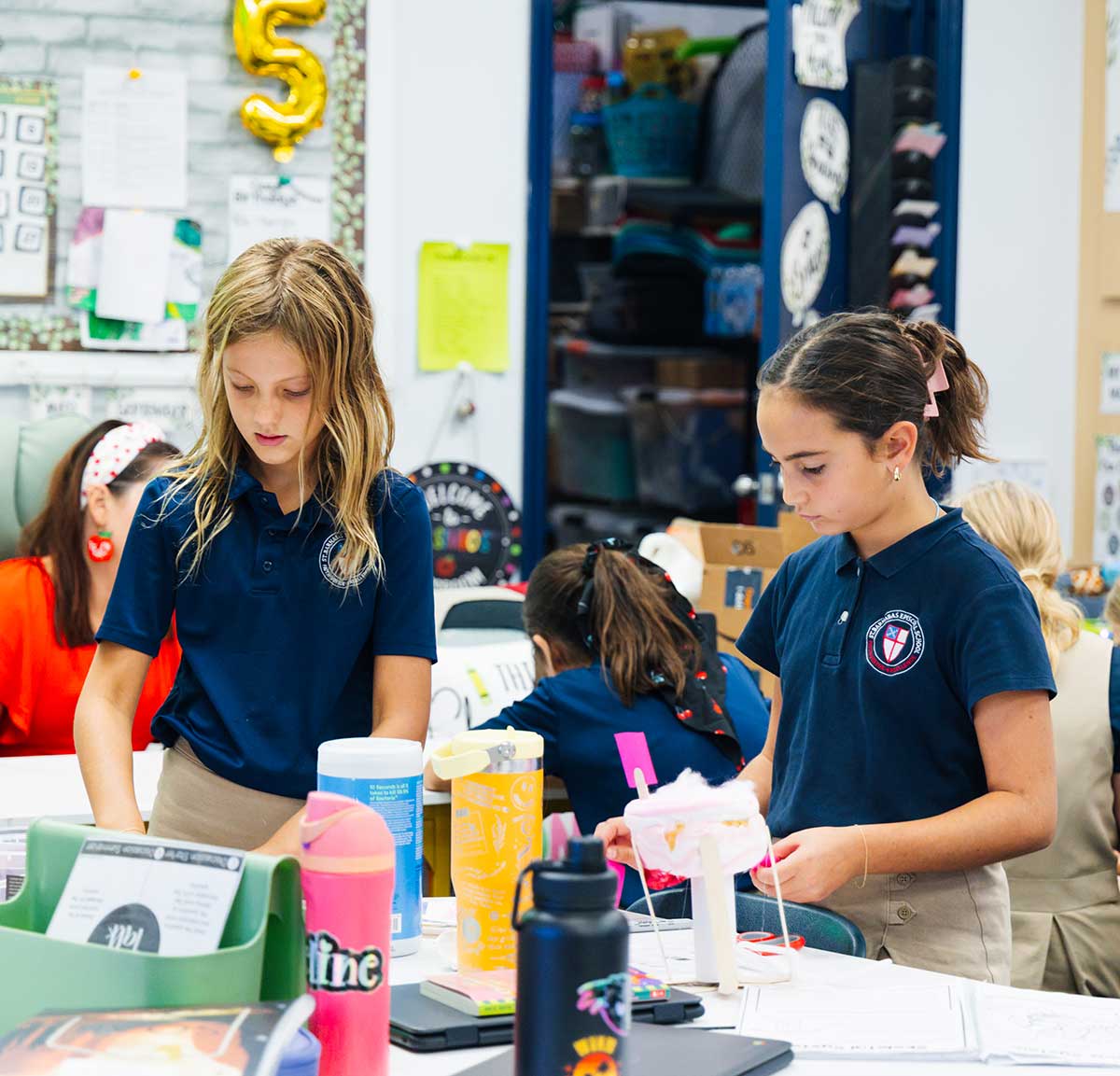
Teachers help students build foundational reading skills, with a strong focus on phonics, fluency, vocabulary, and comprehension, always keeping in mind the goal of developing a love of reading. Students work in small groups to ensure their individual needs are met, often using their reading experiences as a starting point. Social Studies is presented through the selection of literature and hands-on activities. Students discover Responsible Citizenship, Families Long Ago and Today, Holidays Around the World, Geography, and Community Economics.
In math, students gain understanding and fluency in addition and subtraction, graphing, shapes, time, money, and more. Science is student-oriented through the discovery process. Science lessons provide experiences that heighten primary students’ awareness, curiosity, and observations of the world around us. They conduct, observe, describe, and record investigations.
In math, students gain understanding and fluency in addition and subtraction, graphing, shapes, time, money, and more. In science, students create a notebook of their learning about plants, properties of matter, ecosystems, Earth’s changes, and more. Science is presented through interactive notebooks. The topics covered include the scientific method, properties of matter, landforms and erosion, habitats and ecosystems, and plant and animal needs and life cycles. End-of-unit projects provide opportunities for students to work both cooperatively and individually to demonstrate their mastery of the content through a STREAM project.
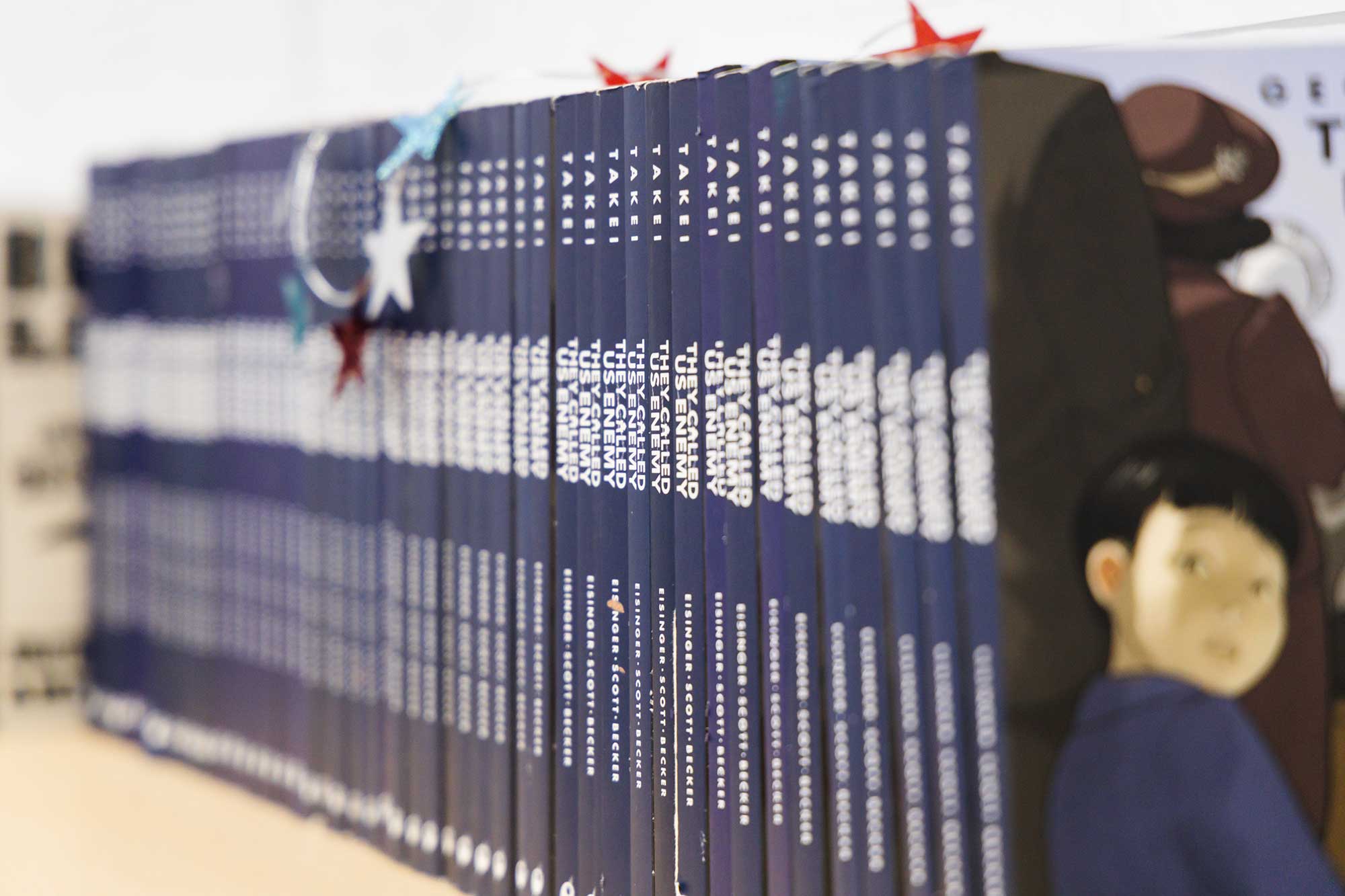
The language arts curriculum addresses literacy, content areas, and social-emotional learning through reading blocks, writing workshops, bridge activities, and project-based inquiry. In language arts, students often tie novels into their history studies in U.S. geography and early American history through the Civil War, and classes immerse themselves into the westward expansion and the Oregon Trail.
Math is leveled in fifth grade with a fifth-grade curriculum and an advanced-paced curriculum. Students solidify their knowledge of fractions, percents, decimals, ratios, and proportions. They begin more abstract thinking and problem solving. In science, students focus on scientific thinking, systems, and research, with many hands-on activities.
Special areas are included in the student’s daily schedule. They receive instruction from special area teachers each week.
The bible-based studies curriculum consists of a variety of activities that are provided during each week. They correlate with our Fruit of the Spirit life skills. The students memorize and recite the Lord’s Prayer as well as hear Children’s Bible stories each day.
Creativity is a critical element in learning, which is why we believe the arts are equally as important as core subjects.


The I Heart St. Barnabas Fund was established so that members of our community can give back to the School they love. All funds raised within the I Heart St. Barnabas Fund help close the gap between what parents pay for tuition and the actual cost to educate our students.